
Dust on the Sill After Every Storm? Four Seals Linfeng Homes Should Check
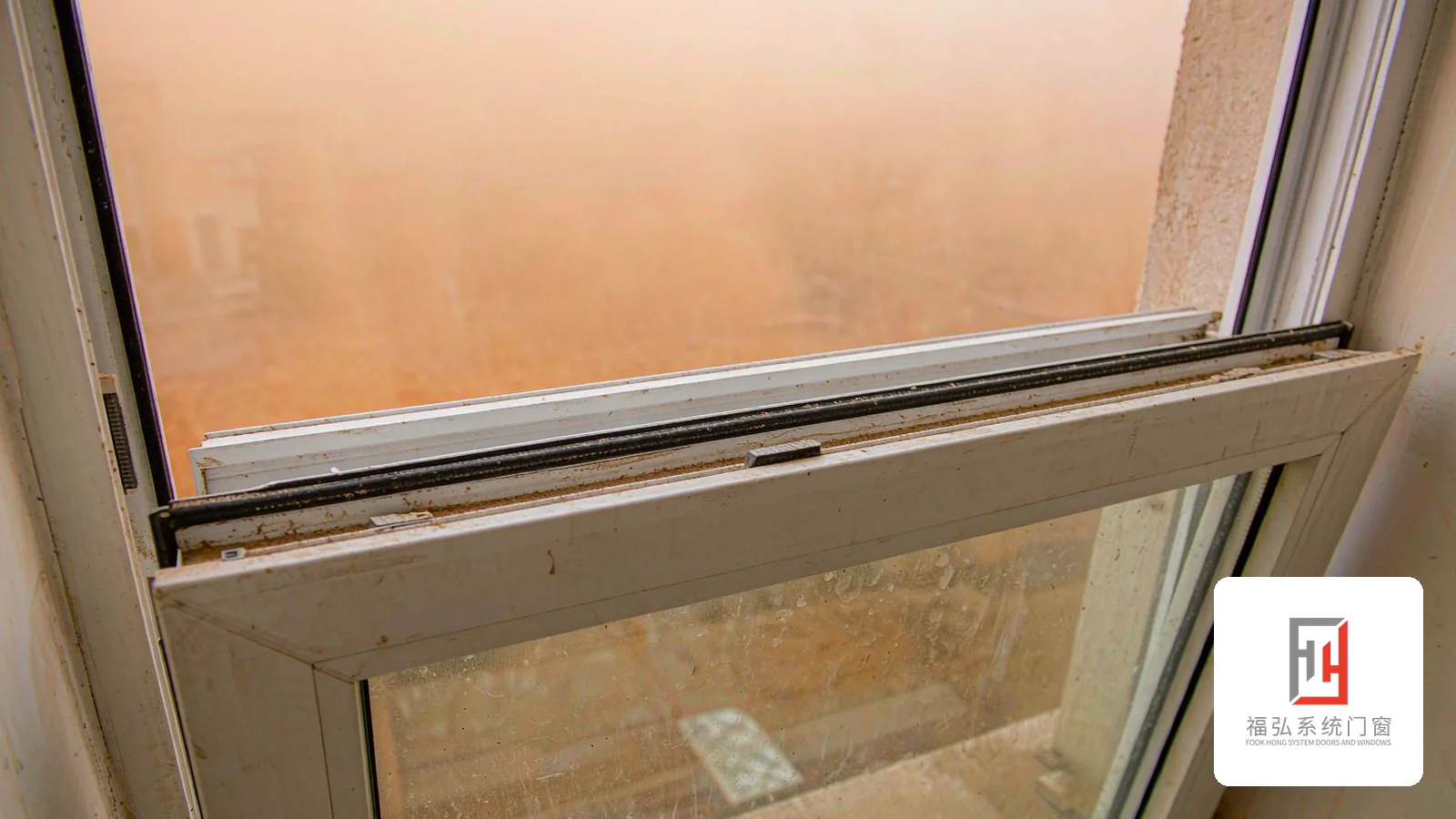
Fine dust on the sill after a storm means the window's sealing system has a gap. Here is how to inspect gaskets, pile weatherstrips, weep holes and wall joints — and fix them cheaply.
Spring and autumn dust storms put Linfeng windows through an annual stress test. If the sill and tracks collect fine dust after every storm, the window's sealing system has a specific gap — dust particles are large, so they always enter through a dedicated path. Window sealing is a system of four different seals; inspect them in order, and most fixes cost very little.
First, the sash-to-frame gasket, the main line of defence. With the room lit and the window closed, look along the gap from inside: any sliver of light is a leak. The paper test is more sensitive — clamp an A4 sheet in the closed sash on all four sides; where it slides out easily, gasket compression is insufficient. The usual cause is shrinkage of an aged gasket, typically at butt-joined corners. Short gaps can be repaired with matching EPDM gasket and adhesive; a perished perimeter should be fully replaced.
Second, the pile weatherstrip on sliders. Run a finger along it: the pile should stand upright and spring back. Flattened, brittle pile must be replaced — standard sizes (5×6, 7×8 mm) are available at any hardware store and it is a genuine DIY job.
Third, weep and pressure-equalisation holes. Blocked weep holes cause back-flooding in rain; more subtly, broken pressure equalisation lets wind carry dust into the track — the reason some tracks gather unusually thick grime. Clear the holes with a thin screwdriver, flush with water, and check the insect mesh.
Fourth, the frame-to-wall joint. Installation foam fears sunlight, and exterior weather silicone hardens and cracks after about five years. High-floor owners cannot see the outside joint: look for water traces at inner corners after rain, or have the joint inspected. Re-sealing early is nearly free; waiting for a leak costs plaster and the stone sill.
If dust persists after all four checks, consider two upgrades: higher-compression gaskets overall, or targeted reinforcement on the windward facade — a full replacement is rarely necessary. One more tip: in dusty seasons, change the pre-filter of any mechanical ventilation more often; if dust enters through the air inlet, the windows were never the culprit. Sealing is a performance that decays with time — give it a maintenance rhythm like an oil change, and the house stays clean year-round.