
Windows Getting Stiff? A Maintenance Schedule and Self-Check for Hardware
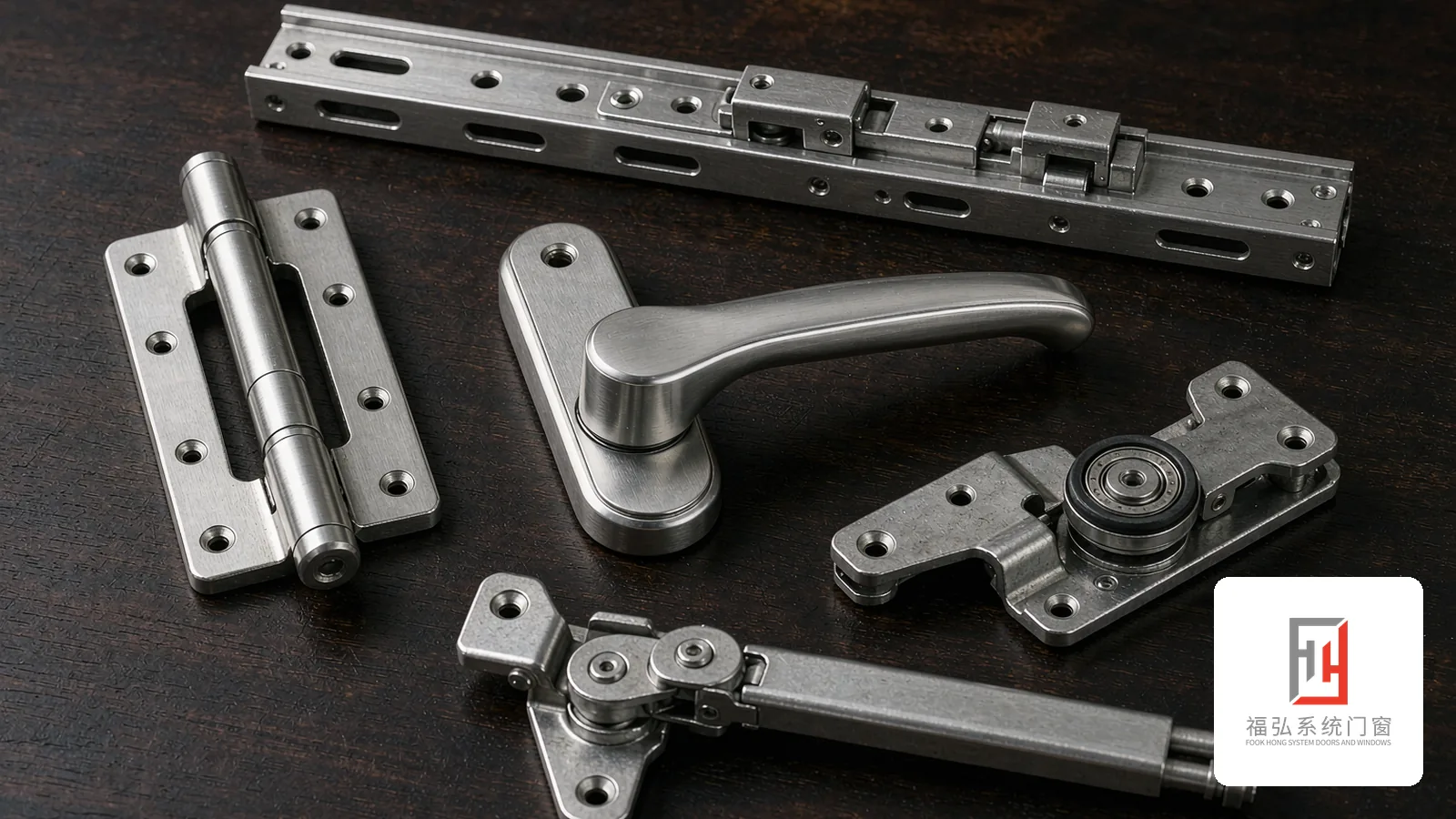
Hinges, stays, handles, rollers and locking points decide how a window feels and how long it lasts. Here is how to inspect each type, how often to service them, and the signs that mean replacement.
A window's feel changes over the years. A new sash glides and locks firmly; after five years it drags, sags and seals poorly — usually the hardware needs service, not the window. Hardware is the joint of every window. Here is how to inspect each type, how often, and when to replace.
Hinges and stays on casements. A 1.2 m sash weighs around twenty kilograms and is opened dozens of times a day. Check: open fully, close slowly, feel for smoothness; park the sash half open — good hinges barely drop, more than a centimetre of sag means wear or loose screws. Every six months re-tighten the hinge screws (vibration loosens them); once a year grease the pivots — use grease, not oil, which runs and gathers dust. Replace when you feel play, see misalignment, or hear noise at one angle: internal wear means a new unit, not a repair.
Rollers on sliders are the classic wear part rolling through dusty tracks — the dust acts as grinding paste. Vacuum the tracks quarterly and put a single drop of light oil on each roller. Periodic clunks mean worn bearings or debris in the track. Replace rollers when operation gets heavy or the sash rocks side to side; they are consumables costing tens of yuan, but match size and load rating.
Handles and gearing. A tilt-and-turn handle drives a bar that actuates perimeter locking points. Stiffness usually comes from dry lubricant or over-deep lock engagement — lubricate the first; the second needs professional adjustment, and forcing it accelerates wear. To check locking: with the handle locked, push each corner of the sash — any perceptible movement means the strike plates need adjusting.
Gaskets are not hardware, but they share the responsibility for feel: inspect yearly and replace any hardened, cracked or shrunken sections early — the cost is trivial next to what they do.
A maintenance calendar: quarterly, vacuum tracks and check weep holes; half-yearly, re-tighten hinge screws and check handles; yearly, grease pivots and rollers, inspect all gaskets; every two years, book a full professional adjustment — hinge levelling, lock engagement, sash geometry. Follow it and a decent system window runs fifteen years without major work. Conversely, if play appears in several places at once, the sealing system is degrading as a whole and repair stops making sense — that is when to price a replacement.