
Window Trade-In Explained: Old-Window Credit, the Process and Common Questions
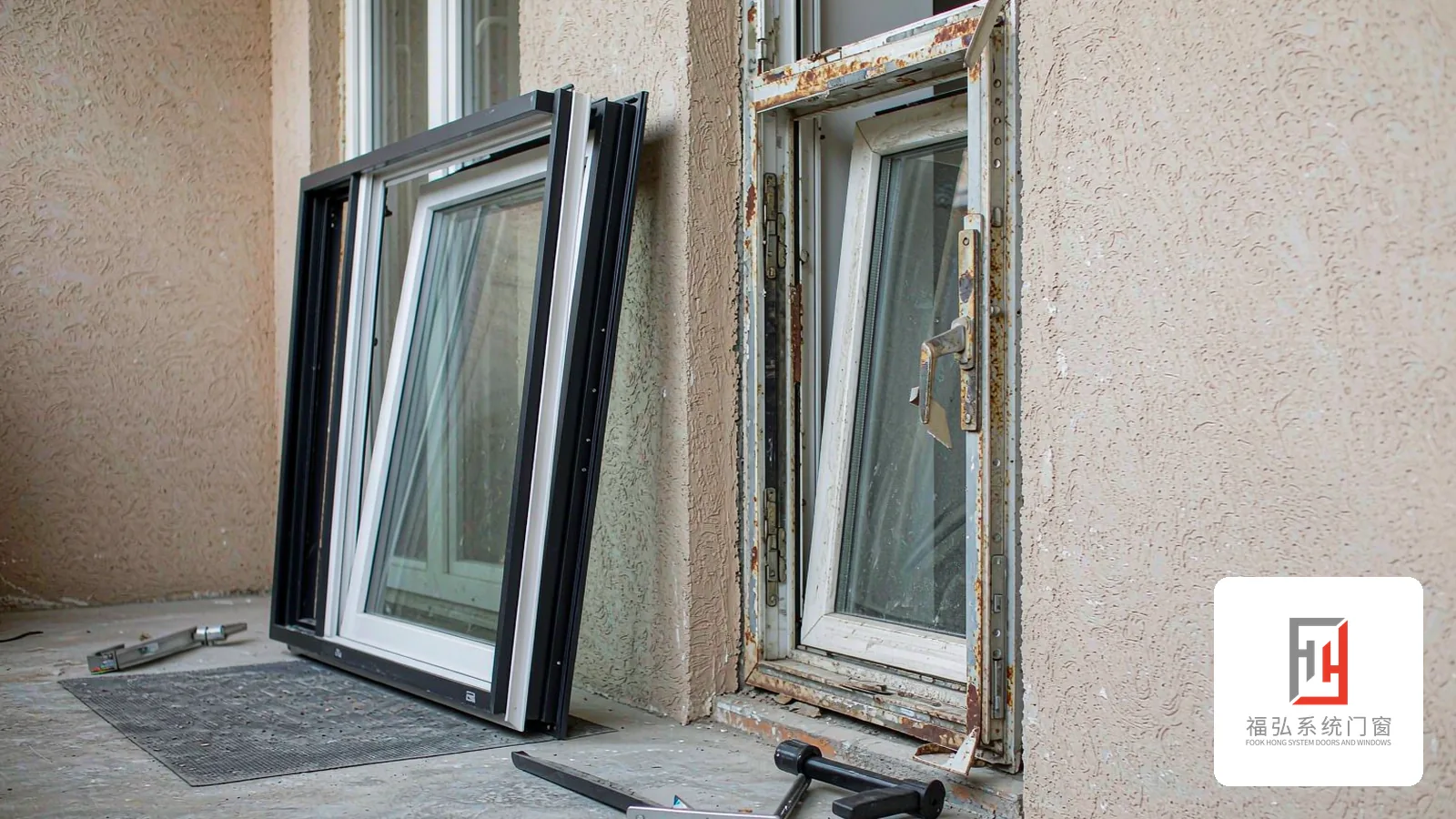
Old windows are not waste — they are recoverable aluminium and glass. How trade-in credit is calculated, the standard process, and the four questions owners ask most about removal.
What happens to your old windows during a replacement is a question most owners only remember on demolition day. Here is how trade-in works: what old windows are worth, the standard process, and the details that cause disputes.
The value first. The recoverable content of an old window is mainly aluminium (priced as scrap by weight), glass (low value; mostly a haulage cost) and hardware. A typical one-square-metre window contains roughly ten kilograms of aluminium, worth a modest residual sum. Since removal, carrying down and transport all cost money, a dealer's trade-in credit is essentially the recycled residual converted into a discount — saving you the disposal hassle.
The standard process has four steps. One: at survey, declare the old windows and agree the credit in the contract — verbal credits tend to shrink at settlement. Two: agree the demolition day; if the credit is weight-based, ask to weigh before loading. Three: installation and haulage on the same day, avoiding a night with no windows. Four: at settlement, verify the credit and pay the balance net of it.
Four common questions. Are all old windows worth credit? Aluminium yes; old steel and uPVC windows have far lower value, and badly rusted steel may only justify free removal rather than credit — reasonable, but say so up front. Will removal damage the wall? Proper removal cuts sealant, extracts fixings and lifts the frame whole; prying tears plaster. The contract should state that damage caused by removal is repaired to an installable state. How do large glass panes get downstairs? Suction lifters and straps, via the goods lift or stair route — confirm the estate's debris-clearance window with the property office before demolition day. Can we keep some windows? Yes, and it is often smart: keep structurally sound windows outside key rooms and concentrate the budget on bedrooms and living rooms. But re-seal the wall joints around the retained windows — otherwise the new windows stay dry and the old ones leak, which is harder to diagnose.
Finally, timing. Trade-in involves roughly a day without the window. Avoid the rainy season and deep winter; spring and autumn are ideal — sealants cure properly and temporary closures, if needed, are cheap and low-risk.